
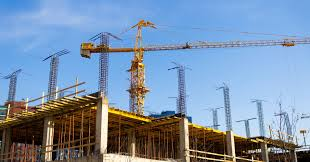
Engineering and construction are among the most important industries in the modern world. Every city, town, and community relies on infrastructure to support daily activities, economic growth, and public services. Roads, bridges, airports, utility networks, industrial facilities, and commercial buildings are all the result of careful engineering and construction efforts. These projects not only provide functional spaces and transportation systems but also contribute to long-term social and economic development.
As populations continue to grow and urban areas expand, the demand for reliable infrastructure becomes increasingly significant. Modern engineering and construction practices help meet these demands by combining technical expertise, innovation, and project management. Through proper planning and execution, construction projects can deliver safe, durable, and efficient structures that serve communities for generations.
The Importance of Engineering in Modern Society
Engineering serves as the foundation of modern development. Organizations involved in engineering and construction, such as MPS Engineering & Construction, apply scientific principles and technical expertise to design and build systems, structures, and facilities that support everyday life. From transportation networks that connect cities to utility systems that provide essential services, engineering influences nearly every aspect of society. Through careful planning, innovative solutions, and quality construction practices, the industry continues to contribute to economic growth and infrastructure development around the world.
The role of engineering extends beyond creating physical structures. Engineers are responsible for ensuring that projects meet safety standards, environmental regulations, and performance requirements. Their work helps reduce risks, improve efficiency, and create solutions to complex challenges. Without engineering expertise, modern infrastructure would not be able to support the needs of growing populations and expanding economies.
Engineering also plays a critical role in innovation. New construction materials, advanced design software, and smart technologies have transformed the way projects are planned and built. These innovations allow engineers to create stronger, safer, and more sustainable structures while reducing costs and improving project timelines.
Understanding the Construction Industry
The construction industry transforms engineering designs into reality. Construction professionals manage the labor, equipment, materials, and processes required to build infrastructure projects. Their work involves coordination among multiple stakeholders, including engineers, architects, contractors, suppliers, and government agencies.
Construction projects vary greatly in size and complexity. Some projects involve small commercial buildings, while others include large-scale transportation systems, industrial facilities, or public infrastructure developments. Regardless of project size, successful construction requires careful planning, resource management, and quality control.
Modern construction practices emphasize efficiency and precision. Advanced machinery, digital project management tools, and improved construction techniques help teams complete projects more effectively than ever before. These developments have increased productivity while improving safety and overall project performance.
Key Stages of Infrastructure Development
Infrastructure development follows a structured process that begins long before construction activities start. The first stage typically involves identifying project needs and conducting feasibility studies. During this phase, planners assess potential benefits, costs, environmental impacts, and technical requirements.
Once a project is considered feasible, engineers and designers develop detailed plans and specifications. These documents define the structure’s dimensions, materials, safety requirements, and construction methods. Accurate planning at this stage helps prevent delays and costly changes during construction.
The construction phase involves site preparation, material procurement, equipment mobilization, and actual building activities. Project managers oversee daily operations to ensure work progresses according to schedule and budget requirements. Quality inspections and safety evaluations are conducted throughout the process to maintain standards.
After construction is completed, the project enters the testing and commissioning stage. Systems and facilities are evaluated to ensure they function correctly before being officially handed over for use. Proper maintenance planning is also established to support long-term performance.
Types of Construction Projects
Commercial Construction
Commercial construction focuses on buildings used for business purposes. Examples include office complexes, retail centers, hotels, and mixed-use developments. These projects are designed to support economic activity while providing functional and attractive spaces for occupants and visitors.
Commercial buildings often require advanced mechanical, electrical, and communication systems. Modern businesses depend on reliable infrastructure that supports productivity, energy efficiency, and technological integration.
Industrial Construction
Industrial construction involves facilities used for manufacturing, production, storage, and logistics operations. These projects are often highly specialized because they must accommodate specific equipment, operational processes, and safety requirements.
Industrial facilities typically require durable construction materials and complex utility systems. Proper planning is essential to ensure efficient operations and regulatory compliance throughout the facility’s lifespan.
Government and Public Infrastructure Projects
Public infrastructure projects include roads, bridges, schools, public buildings, transportation systems, and utility networks. These developments are designed to serve communities and improve public services.
Government-funded projects often involve extensive planning and oversight because they must meet strict safety, environmental, and financial accountability requirements. Successful infrastructure investments contribute significantly to economic growth and quality of life.
The Role of Project Planning and Management
Project planning and management are essential components of successful construction. Effective planning helps identify potential risks, allocate resources efficiently, and establish realistic timelines. Without proper planning, projects may experience delays, budget overruns, and quality issues.
Project managers coordinate activities among various teams and stakeholders. They monitor progress, manage schedules, control costs, and ensure compliance with project requirements. Strong leadership and communication skills are critical for maintaining productivity and resolving challenges that arise during construction.
Risk management is another important aspect of project planning. Construction projects face numerous uncertainties, including weather conditions, supply chain disruptions, labor shortages, and unexpected site conditions. Identifying these risks early allows teams to develop strategies that minimize potential impacts.
