
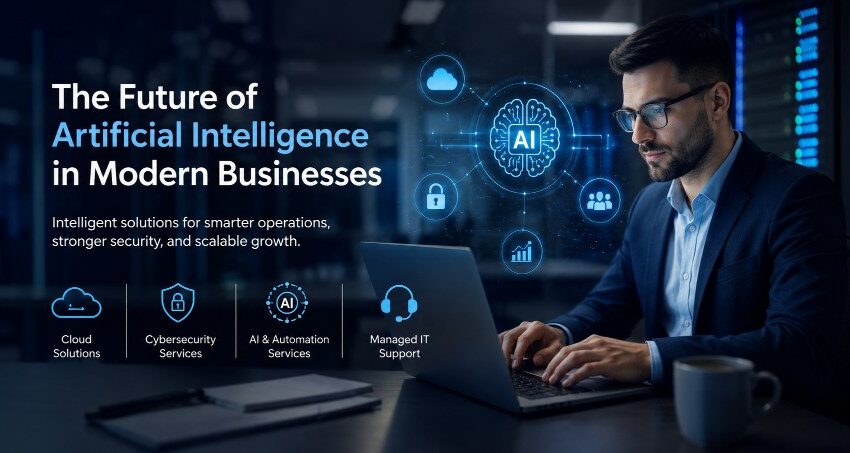
Artificial intelligence is changing how companies manage daily operations, customer service, marketing, and security. Businesses now use AI automation and machine learning to save time, reduce costs, and improve decision-making. From chatbots to predictive analytics, AI helps companies work faster while delivering a better customer experience in competitive markets.
AI also improves data analysis by processing huge amounts of information within seconds. Companies can identify customer behavior, predict trends, and create smarter business strategies. Industries like healthcare, finance, retail, and logistics are investing heavily in AI technologies because they increase productivity and reduce human error in important operations.
Why Cybersecurity Is More Important Than Ever
Cybersecurity has become one of the biggest concerns for businesses because cyberattacks are increasing every year. Hackers target company data, financial records, and customer information through phishing, ransomware, and malware attacks. Strong cybersecurity solutions help businesses protect sensitive information and maintain customer trust in the digital world.
Modern businesses must use firewalls, multi-factor authentication, and regular security updates to stay protected. Employee awareness is equally important because many attacks start through unsafe emails or weak passwords. Companies that ignore cybersecurity risks often face financial losses, damaged reputations, and long-term operational problems after a successful cyberattack.
How Cloud Computing Is Transforming Companies
Cloud computing allows businesses to store data and access software through the internet instead of relying on physical servers. This technology provides flexibility, lower operational costs, and easier collaboration for remote teams. Many companies use cloud computing platforms to improve efficiency and scale their operations without investing heavily in hardware.
Cloud services also improve business continuity because employees can access files and applications from any location. Platforms like Microsoft 365, Google Workspace, and cloud storage systems help teams work together in real time. Businesses adopting cloud technology often experience faster communication, better data management, and improved overall performance.
The Role of Automation in Business Growth
Automation helps businesses complete repetitive tasks quickly and accurately without constant human involvement. Companies use automation for email marketing, inventory management, customer support, and financial reporting. These systems improve efficiency while allowing employees to focus on strategic and creative tasks that require human expertise.
Businesses that invest in automation often reduce operational expenses and increase productivity. Automated systems also minimize errors and improve workflow consistency across departments. As technology continues evolving, automation is becoming a major factor in helping companies compete in fast-moving industries and changing market conditions.
Benefits of Remote IT Support for Businesses
Remote IT support allows technicians to solve technical problems without visiting the office physically. This service helps businesses reduce downtime and receive faster assistance during software or network issues. Many companies prefer remote IT support because it saves both time and operational costs while improving system maintenance.Many companies rely on professional providers such as Uprite IT Services for managed IT support and system maintenance
Remote support teams can monitor systems, install updates, and fix security problems from any location. This approach became especially important after remote work trends increased worldwide. Businesses using remote IT services often experience better system performance, quicker issue resolution, and more reliable technical support throughout daily operations.
How Technology Improves Workplace Productivity
Modern technology tools help employees communicate, organize tasks, and complete projects more efficiently. Applications for project management, video conferencing, and cloud collaboration reduce delays and improve teamwork. Businesses using advanced technology systems can handle workloads faster while maintaining better accuracy and operational performance.
Digital tools also simplify communication between departments and remote teams. Employees can share files instantly, schedule meetings online, and track project progress in real time. These improvements increase workplace productivity while helping businesses respond quickly to customer needs and changing industry demands in competitive environments.
Common Cybersecurity Threats Businesses Face Today
Businesses today face many cybersecurity threats including ransomware, phishing attacks, data breaches, and spyware infections. Cybercriminals often target companies with weak passwords, outdated software, or unprotected networks. Strong network security systems are essential for preventing unauthorized access and protecting valuable business information from digital threats.
Phishing emails remain one of the most common attack methods because they trick employees into sharing passwords or financial details. Ransomware attacks can lock company files until a payment is made to hackers. Regular software updates, employee training, and advanced security monitoring help businesses reduce risks and improve overall cybersecurity protection.
Why Data Backup Solutions Are Essential
Data backup solutions protect businesses from losing important files due to cyberattacks, hardware failures, or accidental deletion. Companies store customer records, financial documents, and operational data digitally, making backups necessary for long-term security. Reliable data backup solutions help businesses recover quickly after unexpected technical problems or security incidents.
Modern backup systems automatically save files to cloud platforms or external servers at regular intervals. This process reduces downtime and prevents major financial losses caused by missing information. Businesses with strong backup strategies can continue operations smoothly even after system failures, ransomware attacks, or natural disasters affect their infrastructure.
The Impact of AI on Customer Experience
Artificial intelligence is improving customer experience through faster responses, personalized recommendations, and better support services. Businesses use AI-powered chatbots and analytics tools to understand customer behavior and provide more relevant solutions. These technologies help companies increase engagement while improving overall customer satisfaction in competitive markets.
AI systems can analyze customer preferences, browsing history, and purchasing patterns to deliver customized experiences. Online stores, streaming platforms, and service providers use AI to recommend products and solve customer issues efficiently. As AI technology advances, businesses are creating smarter and more interactive experiences for users worldwide.
Understanding Modern Network Security Basics
Network security protects computers, servers, and internet connections from unauthorized access and cyber threats. Businesses use firewalls, encryption, and security monitoring systems to secure sensitive information from hackers. Strong network security practices reduce risks while helping organizations maintain safe and reliable digital operations every day.
Modern companies also use virtual private networks and multi-factor authentication to improve protection levels. Regular software updates and employee cybersecurity training are equally important because human mistakes often create security vulnerabilities. A secure network infrastructure helps businesses prevent data breaches and maintain customer trust in digital environments.
How Digital Transformation Helps Companies Grow
Digital transformation involves using technology to improve business operations, communication, and customer services. Companies adopting digital systems often increase productivity while reducing operational costs and manual workloads. Modern tools such as cloud platforms, automation software, and AI applications help businesses stay competitive in rapidly changing industries.
Digital transformation also improves decision-making through real-time data analysis and better workflow management. Businesses can respond faster to market trends, customer demands, and operational challenges using modern technology solutions. Organizations investing in digital innovation often achieve stronger growth and long-term business stability in competitive markets.
Best Practices for Protecting Business Data
Protecting business data requires strong passwords, encryption, regular software updates, and secure backup systems. Companies must also limit access to sensitive information to authorized employees only. Effective data protection strategies help businesses reduce cybersecurity risks and prevent unauthorized access to confidential company records.
Employee awareness plays an important role in preventing cyber threats because many attacks target human mistakes. Businesses should provide regular cybersecurity training and encourage safe online practices. Combining advanced security tools with proper staff education creates a stronger defense against data breaches, phishing attacks, and ransomware infections.
Why Scalable IT Infrastructure Matters
Scalable IT infrastructure allows businesses to expand technology systems as operations grow. Companies with flexible infrastructure can handle increased traffic, data storage, and customer demands without major disruptions. Modern organizations rely on scalable systems to maintain performance while adapting to changing business requirements and technological advancements.
Cloud computing and virtualization technologies make scalability easier and more cost-effective for businesses of all sizes. Instead of replacing entire systems, companies can upgrade resources gradually based on operational needs. Scalable infrastructure improves efficiency, reduces downtime, and supports long-term business growth in competitive digital markets.
Key Technology Trends Shaping the Future
Technology trends such as artificial intelligence, cloud computing, blockchain, and automation are transforming industries worldwide. Businesses are adopting these innovations to improve efficiency, customer experience, and operational security. Emerging technologies continue creating new opportunities while changing how companies interact with customers and manage daily operations.
The rise of remote work and smart devices is also influencing the future of technology. Businesses now focus more on cybersecurity, cloud collaboration, and automated systems to support modern work environments. Companies that adapt quickly to changing technology trends often gain stronger competitive advantages and better long-term growth potential.
