
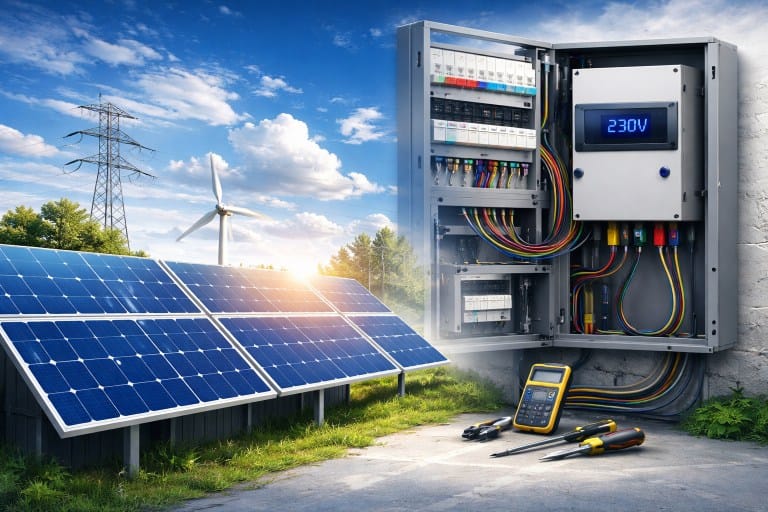
What is VO Technology?
There is a problem in most buildings that they do not know about: they are usually supplied with higher voltages than their equipment requires. Higher voltage does not mean better performance; all it means is that there is excess voltage which wastes energy and creates stress on the electrical equipment over time. VO Technology reduces the excess voltage supplied to buildings to a level that the building and electrical devices operate most efficiently with.
In essence, this technology allows buildings to consume only the electricity they need. When electrical devices are designed, they are designed to operate within a specific voltage range, with the greatest efficiency at a specific level within that range. When the voltage exceeds that level, there is energy wasted in the form of heat and components wear out faster.
Efficiency Lost in Real Electrical Systems
In “real” electrical systems, the inefficiencies caused by these excessive voltages are very prevalent. Most offices, retail outlets, and residential apartments utilize higher voltage than is actually needed to operate their facility, so there will be more light (more brightness from the lights), the motors will run hotter, and the total electricity consumption of a building will be gradually increasing due to excessive voltage. You do not usually notice this on an everyday basis, but the increased consumption of electricity will show up on your bill.
This is why VO Technology is used; this technology provides the ability to increase the efficiencies of the building without changing how the building and electrical devices are utilized. From our previous experiences, most users only realize benefits from using voltage optimization after they have had it installed because they experience equal operating expenses each month due to voltage optimization and the reduction of equipment failures, resulting in a more consistent and efficient operation.
How Voltage Optimization Operates
Many people think that electricity provided to a facility is generally “perfect,” but it rarely is. Electricity fluctuates due to demand, time of day and conditions on the energy grid. VO systems are electrically connected to the building at its very point of entry and control what actually flows through the electrical system.
As a result, rather than providing raw, unfiltered and unstable voltage to the facility’s equipment, VO systems filter and adjust the incoming voltage so that equipment uses only the amount it requires, no more and no less. This is the source of true energy efficiency.
How the Device Works in the Real World
While the VO system is uncomplicated, it operates on several essential and powerful principles.
1. It will reduce voltage levels from incoming mains supply when they are above the required voltage level.
2. It provides a steady supply of stable voltage.
The combination of the above two principles provide the basis for VO technology’s effectiveness. For example, in a small commercial facility, without the use of VO technology, the lighting and air-conditioning systems consume more power than is necessary throughout the day. When the facility employs VO systems, the supply of voltage to those systems is continually monitored and maintained at an acceptable level. The systems also will operate in the same manner as before installing VO technology; however, their electrical consumption will be reduced, as will their heat generation.
An additional note, before installing VO technology, be sure to check the voltage levels of your electrical installation. If your installation’s voltage levels are already low, installing VO technology without consideration could significantly impact their operation.
Types of Voltage Optimization Systems
Not all vo technology systems deliver the same results. The type you choose directly affects your savings and system performance.
There are two main types: fixed systems and dynamic (intelligent) systems. Both aim to reduce voltage, but how they do it makes a big difference.
Fixed vs Intelligent Systems – What Actually Works
Fixed systems apply a constant voltage reduction. They’re simple and cheaper, but they don’t adapt. If your incoming voltage drops, the system will still reduce it further, which can create issues.
Dynamic systems, on the other hand, adjust in real time. They monitor incoming voltage and respond instantly. This makes them far more reliable, especially in environments where voltage fluctuates throughout the day.
From real-world use, fixed systems work fine in stable conditions like small offices. But for commercial or industrial setups, intelligent vo technology is the smarter choice. It adapts, protects equipment, and delivers more consistent savings.
Latest Advancements in VO Technology
Modern vo technology is no longer just about reducing voltage. It has evolved into smarter, more reliable solution that fits into today’s energy systems.
Today’s systems come with built-in monitoring, allowing users to track performance and savings in real time. control up to such extent helps businesses understand exactly where their energy is going.
Smart Control and Energy Integration
One of the biggest improvements is adaptive voltage control. Instead of applying a fixed reduction, the system adjusts based on real-time conditions. This ensures optimal efficiency at all times.
Another key advancement is integration with renewable energy systems. If you’re using solar power, modern VO systems can work alongside it without conflict.
From practical experience, newer vo technology systems are also more efficient internally. Older models consumed more power themselves, reducing net savings. Newer designs fix that, making overall performance much better.
Key Benefits of Voltage Optimization
The real value of vo technology shows over time. It’s not about instant dramatic changes—it’s about steady, reliable improvements in efficiency and cost.
The first and most obvious benefit is energy savings. By reducing excess voltage, systems consume less power without affecting performance. This is especially noticeable in lighting-heavy environments.
Where You Actually See the Savings
Lower electricity bills are the direct result. Many users see consistent reductions without changing their usage habits. That’s what makes VO practical—it works in the background.
Another major benefit is reduced carbon emissions.Less usage of electricity means less environmental impact. For businesses aiming to be more sustainable, this is a solid step.
Finally, equipment lasts longer. Stable voltage reduces stress on electrical components. From real experience, this often means fewer breakdowns and lower maintenance costs.
The Various Applications of Voltage Optimization
Voltage problems can appear in many different ways. Therefore, vo technologies are not limited to particular usages; they are used in a multitude of industries with varying degrees of positive impact, depending on how the electrical power is being used.
Industrial Sector
The industrial sector has a continuous demand for electrical energy, particularly in the manufacturing and processing sectors where motors, compressors and other machinery operate for extended periods of time. If the voltage supplied to these machines is above levels required, they will draw excessive current from the grid and produce excessive amounts of heat. I have seen examples of motors that have been damaged by overheating; not due to mechanical failure, but due to excessive voltage. After optimisation, the motors cooled down and stabilized in terms of performance.
Commercial Sector
Commercial properties such as offices, malls and retail stores; typically use a lot of electricity for artificial lighting, HVAC systems and electronic products. Therefore, with so many units drawing power from the same supply, a small voltage drop across many devices can result in significant energy savings. An example would be one retail installation was able to optimize the voltage supplied to the store and reduce its electricity costs without negatively affecting the quality of lighting or the shopping experience of consumers.
Residential Applications
The effect of voltage optimisation will also impact household products such as fans, televisions and refrigerators. Although the amount of savings is in most cases, relatively small, a stable supply of voltage will reduce the wear and tear on these appliances and improve the life expectancy of the appliances; especially in areas where the voltage supplied is consistently high.
Is Voltage Optimization Worth It?
This is the question most people ask—and honestly, the answer is not always “yes.” It depends on your electrical conditions.
Cost vs Savings Analysis
The initial cost of installing vo technology can feel high, especially for large systems. But the real decision comes down to how much energy you’re currently wasting. If your incoming voltage is consistently above optimal levels, the savings can cover the cost over time.
ROI Expectations
In practical terms, most setups see returns within 1–3 years. Industrial and commercial environments usually recover costs faster because their energy usage is higher. Smaller setups take longer, and sometimes the difference is too small to justify the investment.
When It Makes Sense (and When It Doesn’t)
If voltage supply is high and stable, VO makes sense. If voltage is already low or fluctuates unpredictably, installing it blindly can reduce performance instead of improving it.
From experience, the biggest mistake is installing vo technology without proper measurement. Always test your voltage profile first. Guessing here can cost you money.
Limitations and Drawbacks of VO Technology The Various Applications of Voltage Optimization
Voltage problems can appear in many different ways. Therefore, vo technologies are not limited to particular usages; they are used in a multitude of industries with varying degrees of positive impact, depending on how the electrical power is being used.
Let’s be clear—vo technology is useful, but it’s not perfect. Ignoring its limitations is where people go wrong.
Not Effective in All Setups
If your incoming voltage is already within the optimal range, there’s nothing to optimize. In such cases, the system won’t deliver meaningful savings. This is more common than people think.
Installation Costs
Quality systems aren’t cheap. For large facilities, the upfront cost can be significant. And if the expected savings are low, the payback period becomes too long to justify.
Compatibility Issues
Some sensitive equipment may require specific voltage levels. Reducing voltage without proper analysis can affect performance. I’ve seen setups where poor planning led to equipment malfunction after installation.
The takeaway is simple: vo technology works well when conditions are right—but it’s not a universal solution.
Voltage Optimization vs Other Energy-Saving Methods
Many people assume that all energy-saving solutions work the same way, but that’s not true. VO technology is often confused with stabilizers or power factor correction, yet each serves a different purpose. Understanding these differences is essential to make the right choice and achieve real energy savings.
Voltage stabilizers are mainly designed to protect equipment from voltage fluctuations. They prevent spikes or drops from damaging sensitive devices. While this is useful, stabilizers do not reduce energy consumption—they simply keep devices safe. VO technology, on the other hand, actively reduces excess voltage supplied to a building, lowering electricity use while keeping all equipment running optimally.
Power factor correction (PFC) works differently. It improves the efficiency of electrical power by reducing reactive power, which is particularly important in industrial settings with heavy machinery. While PFC can lower utility penalties and improve overall system efficiency, it does not address overvoltage. Combining VO and PFC often delivers the best results because both energy waste and system inefficiencies are addressed together.
Do you want me to do that?
In real-world applications, VO technology works best when the incoming voltage is consistently above optimal levels. Combining it with PFC in factories or commercial buildings maximizes energy savings, protects equipment, and improves system reliability. This ensures that both voltage waste and inefficiency are handled, making the electrical system smarter, safer, and more cost-effective.
Compliance and Standards (e.g., DCP161, CTG045)
When dealing with electricity, guessing is risky. That’s why standards like DCP161 and CTG045 exist. They define how voltage should be managed and what limits are considered safe and acceptable.
What These Regulations Mean
These standards guide how systems like vo technology should be installed and operated. They ensure voltage stays within safe ranges so equipment works properly without damage or inefficiency.
Why They Matter
Ignoring compliance can create serious problems. Incorrect voltage adjustment can affect performance, damage equipment, or even violate regulations. In commercial and industrial setups, this can lead to financial loss or penalties.
From practical experience, following proper standards makes a big difference. A compliant system not only runs safely but also delivers consistent results over time. It removes guesswork and ensures that voltage optimisation actually works the way it should.
Choosing the Right Voltage Optimization System
In my experience, most buildings are supplied with more voltage than they actually need. I’ve seen offices where lighting and motors ran hotter than necessary, wasting energy every month. Selecting the right VO technology is about understanding your building’s electrical profile, not just buying the first system on the market. The right system can reduce energy waste, extend equipment life, and save money.
Key Factors Before Buying
When I worked with a medium-sized manufacturing plant, we started by measuring voltage levels over several days. We found the incoming voltage was consistently 6% above optimal levels. This excess caused overheating in motors and increased energy bills noticeably. Using a VO system tailored to their load profile reduced unnecessary energy consumption and improved equipment reliability.
Sizing is equally important. I’ve noticed that oversizing VO technology leads to higher upfront costs, while undersizing delivers minimal savings. For buildings with stable loads, fixed VO systems work fine. But in facilities with fluctuating demand, such as factories or multi-floor offices, dynamic VO systems provide better results by adjusting voltage in real time.
From my personal experience, facilities that invest in correctly sized VO technology see both short-term and long-term benefits: lower electricity bills, less wear on equipment, and fewer maintenance issues. If you’re considering a system, don’t skip the energy audit. Understanding your building’s voltage behavior is the single most important step for achieving consistent savings.
Installation and Maintenance of VO Systems
The installation process of V0 technology is extremely significant and requires careful planning and execution in order to maximize the potential for energy savings and protect electrical equipment. The installation of a VO system has to be completed to the main distribution board (MDB); this is where the VO technology regulates the voltage prior to passing through to all of the electrical devices so that all the devices will operate as designed. Correct installation of VO systems is very critical, especially in commercial and industrial applications where there are multiple circuits and sensitive machinery.
Prior to the installation of a VO system, site surveys must be performed to measure the voltage levels of the electrical service, determine connected loads at the MDB, as well as calculate the capacity of the VO system to be installed. Bypass circuits will also need to be incorporated into the VO system to provide protected circuits for the installed equipment for uninterrupted operation while providing for optimal energy efficiency. After a VO system has been installed, the system will stabilize the electrical service to all the electrical devices, eliminate wasted voltage, and enhance the operational efficiency of installed equipment.
Establishing and maintaining VO Systems
The maintenance of a VO system is relatively easy. By performing yearly inspections on the connections, voltage output; as well as VO system performance, building material managers will have a clearer understanding of how well the VO system is performing. Most of the VO systems are modern in design, and many of them have monitoring dashboards built into them, allowing the building manager to view energy usage, voltage levels, and returned savings in real time.
The buildings with heavy energy using equipment such as; motors that drive machinery, HVAC equipment, and lighting systems will benefit tremendously from having installed VO equipment in place. The continued maintenance of the VO system will allow the entire VO system to perform as originally designed, increase the operational life of the installed equipment, and continue to produce energy savings throughout the entire VO system life.
Voltage optimization (VO) Technology’s Future
VO technology’s future relies heavily on the incorporation of smart grids, automation and the incorporation of renewable energy into the electrical supply. Smart VO systems dynamically adjust voltage levels in real time to help ensure that buildings can function more efficiently and meet their required equipment safety standards.
Smart Grid Technology
The development of smart grid technology has created opportunities for VO units to respond automatically to fluctuating voltage levels, which positively impacts energy wasted during peak load conditions by optimising energy usage across all devices. This automatic response to voltage changes provides a higher level of control over the electrical systems within buildings, helping them operate continuously, and efficiently, while under variable load conditions.
Automation and Building Management Systems
Integrating VO systems with building management systems provides a higher level of benefit from this type of technology. Automation allows for voltage to be adjusted based on an operational schedule, which may include lowering the power consumption during non-operational times and increasing it during peak load times. In addition, VO systems help to support renewable energies by maintaining balanced solar or wind energy input and grid supply input, resulting in a more stable and efficient overall electrical system.
Dynamic VO technology allows for safe voltage levels to be maintained, provides for the protection of sensitive devices, reduces electricity costs, and provides for reliable electrical operation. As the energy management practices employed by buildings become increasingly sophisticated, the importance of VO technology as a means of accomplishing sustainability and efficiency will only continue to grow.
FAQs
1.) Will energy savings be received using VO technology?
The use of VO technology will reduce any excess voltage consumed by buildings so that the buildings will receive the electrical energy needed for all of their requirements and become more energy efficient, thereby reducing their total electrical bill. In addition, VO technology will reduce wasted electrical energy through the removal of excess voltage that would have caused wasted electrical energy.
2.) Is VO Technology Safe for Sensitive Equipment?
VO technology can assure that all sensitive equipment, including motors (including motors in HVAC systems), lighting, etc., will be protected from the effects of overvoltage as VO systems keep the voltage levels in safe operating range.
3.) How Long Does a VO System Last?
Most VO systems will provide reliable performance for 10 to 15 years with proper routine inspection and maintenance. Therefore, the use of VO technology will produce energy savings over that entire period of time.
4.) Is Professional Installation Needed?
Yes, VO technology needs to be properly installed for VO systems to be used correctly, operate safely, and provide maximum savings – particularly applicable in commercial or industrial applications.
5.) When Will Energy Savings Become Noticeable?
Energy savings through VO technology can be immediately noticed; however, items affecting the full return on investment (ROI) are load characteristics, voltage levels and the type of VO system purchased and installed.
6.) Can VO Technology Be Used with Renewable Energy?
VO systems can regulate the supply of energy from the grid by integrating supply from solar or wind thereby maximizing efficiency and stabilizing voltage at all equipment.
7.) Does VO Technology Require Continued Maintenance?
VO systems require little or no ongoing maintenance; however, continued inspections and monitoring of VO systems will maximize efficiency and minimize the risk of having overvoltage problems with any of the equipment receiving power through a VO system.
Conclusion
VO technologies are a viable method of saving energy, reducing electrical costs, and increasing the lifespan of electric equipment. Consistent benefits of such systems depend on various factors including, proper selection of system, quality and appropriate installation, and on-going routine maintenance.
By integrating with smart grids, automation systems and renewable energy resources increases the overall efficiency of electrical systems in buildings to provide a safe and sustainable way to use electricity. Evaluating voltage profiles, using compatible VO systems and scheduling regular inspections all allow for maximized energy savings and dependable performance.
By using VO technology, buildings will have the ability to cost-effectively, over the long-term, optimally utilize energy, protect their equipment from damage, and achieve efficient operation. When VO technology is implemented in a proper manner, measurable savings will be achieved, and the electrical systems will be operating safely and reliably within voltage parameters.

[…] It ensures that every product made in different cycles has the same quality and design. Using automated production systems and consistent output controls, repmold removes variation. This is important for companies that […]
[…] records from APIs, CRMs, and cloud databases. Manual cleaning cannot keep up with this volume. AI tools detect variations, standardize names, and apply the brand name normalization rule automatically, saving time and […]